Featured

Post 5: Food Fair (My Dish, French Apple Tart)

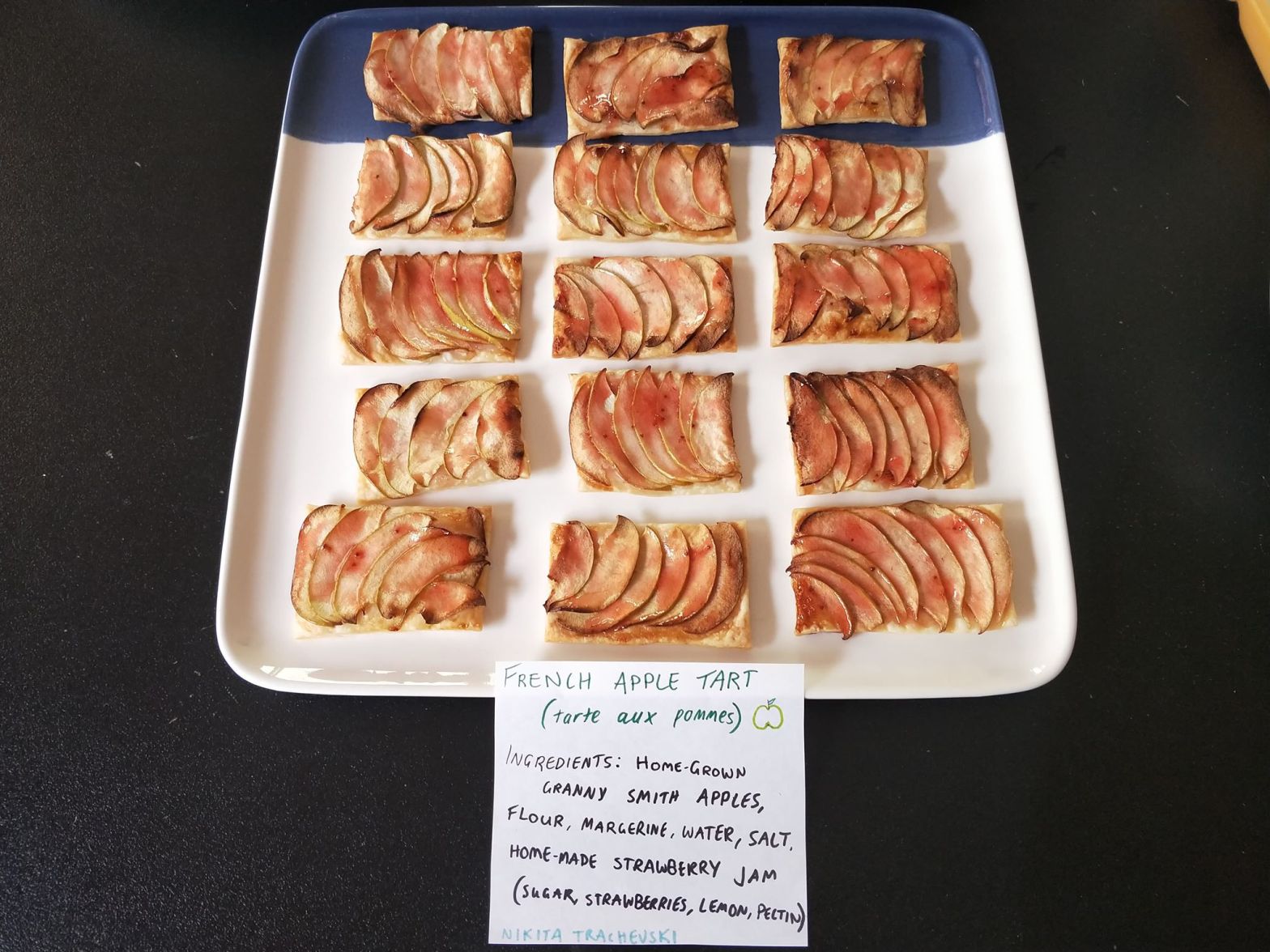
The dish I am preparing for the Food Fair is a ‘French Apple Tart’ (tarte aux pommes), derived from the ‘Tarte Normande’. This is a shortcrust pastry-based showcase of in-season granny smith apples, with a sweet glaze. It originated in Normandy as a traditional 19th century recipe, and a key feature is the rustic appearance of this dessert. The original recipe is unique to Normandy; however, the recipe has since been globally altered to be made without the inclusion of a custard layer, and this is known as the ‘French Apple Tart’.


This dish has a very simple recipe to follow, so I found the baking experience rather therapeutic. The placement of apple slices as decoration allows creativity to flourish. The only challenge this dish presents is difficulty in creating a Low FODMAP alternative. Apples are quite high in fructose, so you could possibly use different fruits, yet that would slightly defeat the purpose of the dish.


I made the servings slightly smaller than the recipe recommends, so that more people could taste the dish, rather than getting full on it. This is in line with the modern French way of eating dessert, enough to savour, but not too much to be sick of it. The dish has a lovely brown tone and shiny glaze which is rather appealing.
At the food fair, my platter was emptied very fast, and a-lot of people were kindly complimentary about the presentation of my tarts!

The Food Fair itself was a wonderful experience, to share and enjoy each-other’s amazing cooking efforts.

(Feature image of my dish, taken by me)
(Research from: https://www.monpetitfour.com/french-apple-tart-recipe/)
Featured

Post 2: Foodscape Review

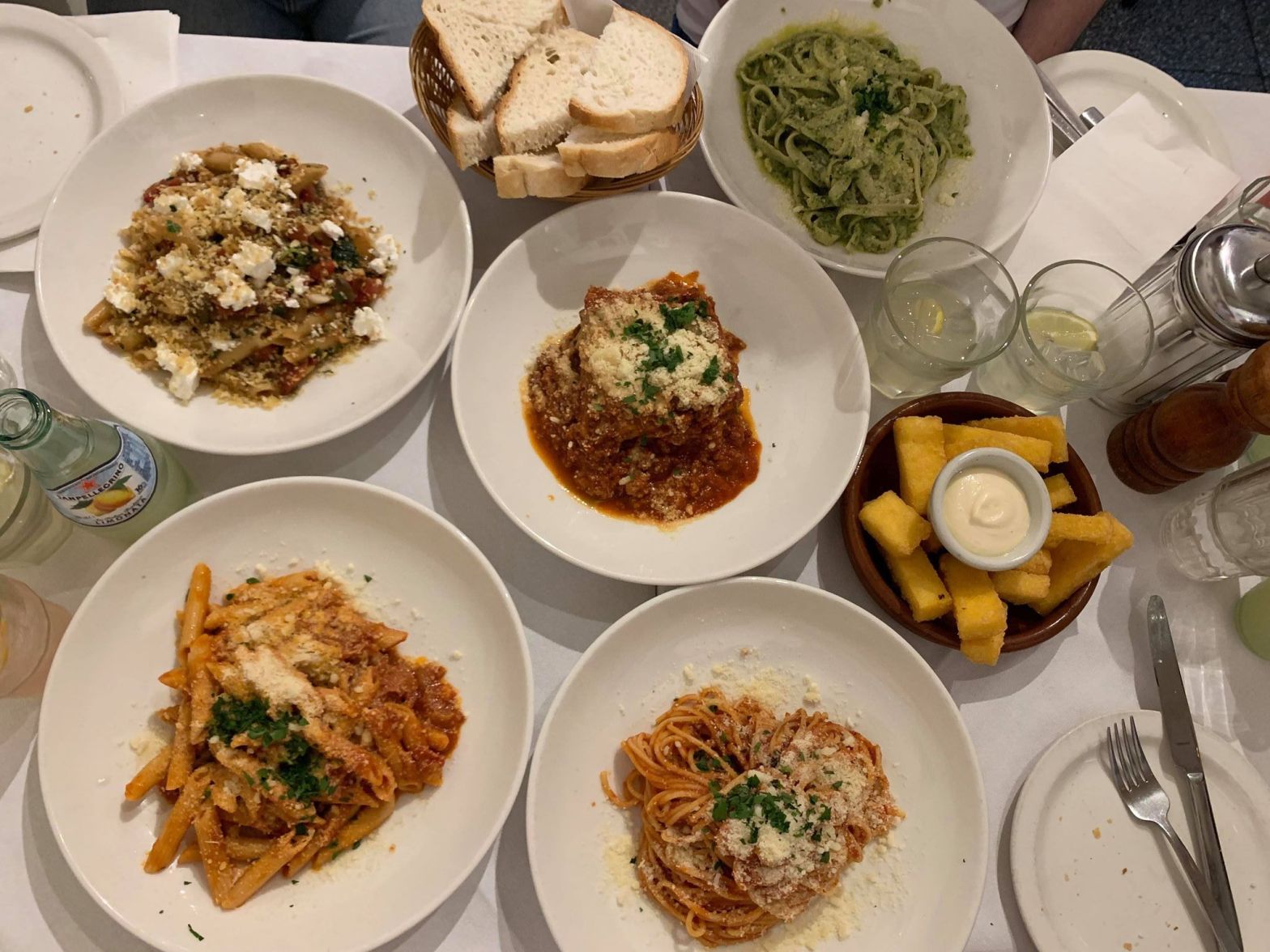
My allocated foodscape is Brunswick Street, North of Johnston Street. Located in Melbourne’s first non-CBD suburb, Fitzroy, this section of street is central to housing and full of diverse eateries. The foodscape hosts all sorts of nodes ranging from traditional to modern, Italian to Vietnamese, bars and formal dining. The street has a relaxed feeling, with many people enjoying a sunny day of reading menus and strolling post meal.

This street in particular echoes the journey of my ancestors, and their settlement in Australia from Greece, as in the 1950s, the state government encouraged immigrants to move into Fitzroy and change it from dangerous and industrial to welcoming and family orientated. The particular food nodes that promote authenticity and family culture, are reminiscent of the experiences I’ve had with my own family gatherings, where we share food, take pride in our ingredients and are overjoyed to shed light on traditional recipes.

Before taking the subject ‘A taste of Europe’, and physically experiencing the foodscape, I was expecting a more predictable array of food nodes and the stories behind them. It is comforting to see that many eateries are genuinely in business to serve the community and build a sense of belonging, rather than just hoping to make money off of the public. My eyes have truly been opened to the history and diversity of Melbourne’s foodscape more broadly. It is exciting to see that as we move into a technological era, cookbooks and traditions about the way we cook and eat are still relevant and held close to heart for many foodies. Whilst many eateries are shifting to accommodate for dietary issues such as veganism and the Low FODMAP diet, they are commonly doing so without fragmenting culinary history.

(Featured image taken by author at Mario’s Cafe, Brunswick Street)

Featured

Post 1: Regional Dish (Chicken Cacciatore)

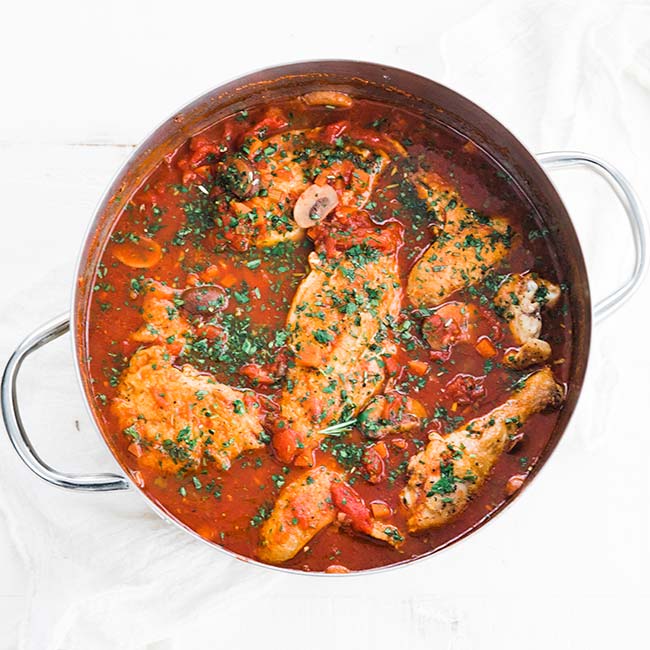
Melbourne is renowned for its authentic Italian food. We have a huge range of restaurants, cafes and bars that embody the varying regions of Italy and provide traditional experiences for all to share and enjoy. However, being unable to absorb fructose makes it difficult to navigate the Italian food scene without becoming unwell. The key to Low FODMAP eating is keeping dishes simple, which is why I have chosen to discuss the foundational Italian dish of Chicken Cacciatore. As Originating in Central Italy in the Renaissance period, the name translates to chicken in ‘the style of the hunter’, meaning it is rough, basic and hearty. It involves chicken and mirepoix that is cooked and braised in a simple tomato broth with herbs. The simplicity and nourishing qualities of this dish draw similarities with ‘la Olla podrida’, described by Lara Anderson, as both of these dishes create unity and common ground. This dish highlights the quintessential components of Italian cuisine, such as richness, flavour, produce, nostalgia and soul. On a post I used as research, the chef states that “Italy wasn’t an overly rich country in the 17 and 1800’s.  A lot of the classic Italian foods you’ll hear about and eat today are simple peasant foods”.

This dish is eaten in a family setting and should be made with love. I’ve been blessed with the opportunity to share a homemade version of this dish in Melbourne, and when connected with storytelling and companionship, it becomes a true soul food as the authenticity comes with tradition and nostalgia.

Authentic chicken cacciatore recipe: https://www.billyparisi.com/chicken-cacciatore-recipe/

(Image taken from referenced recipe above)

Post 4: Film Review (Haute Cuisine)

The 2012 drama/comedy film ‘Haute Cuisine’, was a playful take on a woman’s journey to the top of the culinary industry, in a male-dominated environment. Whilst tackling large real-world issues, the film deserves commendation for the soundtrack, cinematography and acting that foster an enjoyable viewing experience. It touches on French Identity, Gender, honour, power and family. The lead, Hortense Laborie (played by Catherine Frot), must navigate the pathway to success by becoming the president’s private chef. A notable moment in the film is the gift of a cookbook, which celebrates the importance of tradition and recipes in European cuisine. The narration of food highlights the ‘double orality’ of food, as we constantly see and hear about an array of produce and food. The juxtaposition of tradition, commercialism and the future, provides an insight into the ever-changing state of cuisine.

The tradition of high caloric food creation is essentially broken when the president’s doctors require his diet to become healthier. This highlights the changing landscape of food, and touches on my theme of the Low FODMAP diet, as even the president requires changes to traditional foods, for better health. Perhaps, this film highlights how we must allow authenticity to remain in the form of flavour, nostalgia and written form, but learn to accommodate for changing dietary needs. In summation, the film shows viewers how food can mess with the hierarchies of gender and royalty.

Post 3: Regional Dish (Spanish Tortilla)

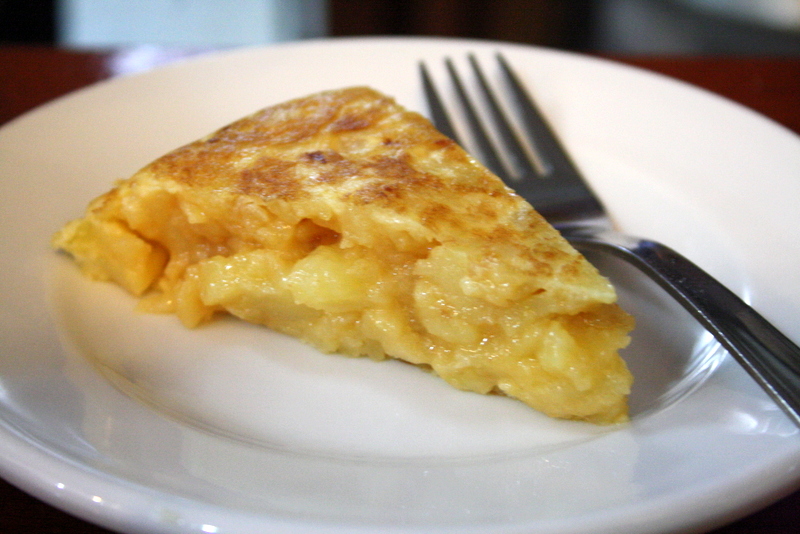
A regional dish I would like to showcase is the ‘Spanish omelette’ or Spanish tortilla, a traditional, signature Spanish dish. This dish consists of an omelette made with eggs and potatoes, optionally including onion. The option to not include onion means this dish can be adjusted to be friendly for those who cannot metabolize fructose/FODMAPS. It is often served at room temperature as tapas, to be shared. In his book, “The potato in Spain”, Javier López Linaje declares the origins of this dish to be in ‘Villanueva de la Serena (Badajoz)’, in the south of Spain. The dish was invented by Joseph de Tena Godoy and the Robledo marquis. They were two property owners who were trying to create affordable food that could assist in feeding the Spanish during famine. To me, this story of origin makes this dish highly regional, and has simply spread across the globe due to its simple yet balanced flavour and ease of creation.

Outside of the South of Spain, this dish has been altered to suit local tastes. As it is a very basic recipe, it makes the perfect foundation for changes and alterations. When made without potato like intended, it becomes a basic egg omelette, eaten across the globe for breakfast. In Melbourne, this dish has been fairly replicated in Spanish tapas bars, and restaurants, as well as being altered.


The lectures on Spanish cuisine have highlighted the value of potatoes in Spanish recipes, as well as the importance of cookbooks in retention of tradition and authenticity. Potatoes feature in a variety of savoury Spanish dishes, as they are significant in Spanish history.

(Image from https://spanishsabores.com/2012/06/30/best-spanish-omelet-recipe/)

(research from https://www.smithsonianmag.com/history/how-the-potato-changed-the-world-108470605/)

Design a site like this with WordPress.com
Get started